
23 seconds to eternity and millenium mambo at vivid live: Eliot Tompkins reviews
23 Seconds to Eternity (Australian Theatrical Premiere) (Bill Butt, 2023)
Upon entering a cinema full of fifty-something year-olds, I was confronted by the understanding that I was entering part of something great that stretched before my time. 23 Seconds to Eternity presents us with several short and long-form music videos by British electronic band KLF, tracing their time spent reinventing the club scene through an elevated artistry and post-modernism matched by few. The short-form videos pastiche Doctor Who and find a joy in the grim mundanity of UK life, encapsulating the intertextual and satirical mood potent in the late-twentieth century. When limited in time, their creativity flourishes and amazes. And in their feature films, The White Room and The Rites of Mu, they reimagine the road movie and then create a hypnotising and mythological summer solstice film. It is admitted in the title cards that when allowed to do whatever KLF pleases, they produce commercial flops––it is their impenitence that pushes their music form to the extreme and (re)invent modes of storytelling that are atmospheric and ambiguous (to be experienced just like listening to their music). 23 Seconds to Eternity should not be watched alone at home; it should be confronted in a cinema that is alive with memory, with audience members dancing about to club classics and whispering anecdotes that accompany the songs to each other as the bass booms.
23 Seconds to Eternity should not be watched alone at home. it should be confronted in a cinema that is alive with memory, with audience members dancing about to club classics and whispering anecdotes that accompany the songs to each other as the bass booms.
Millenium Mambo (Hou Hsiao-Hsien, 2001)
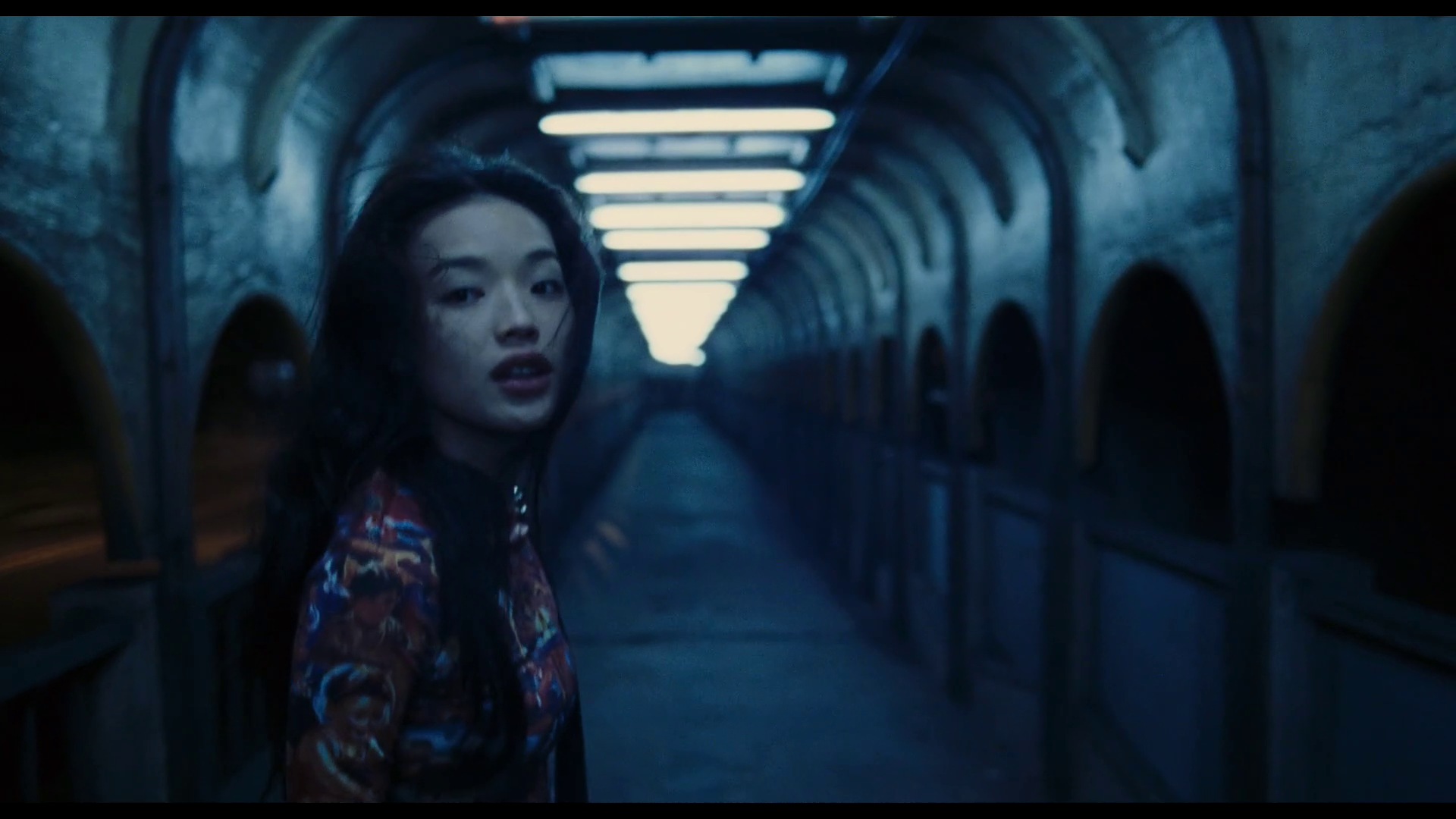
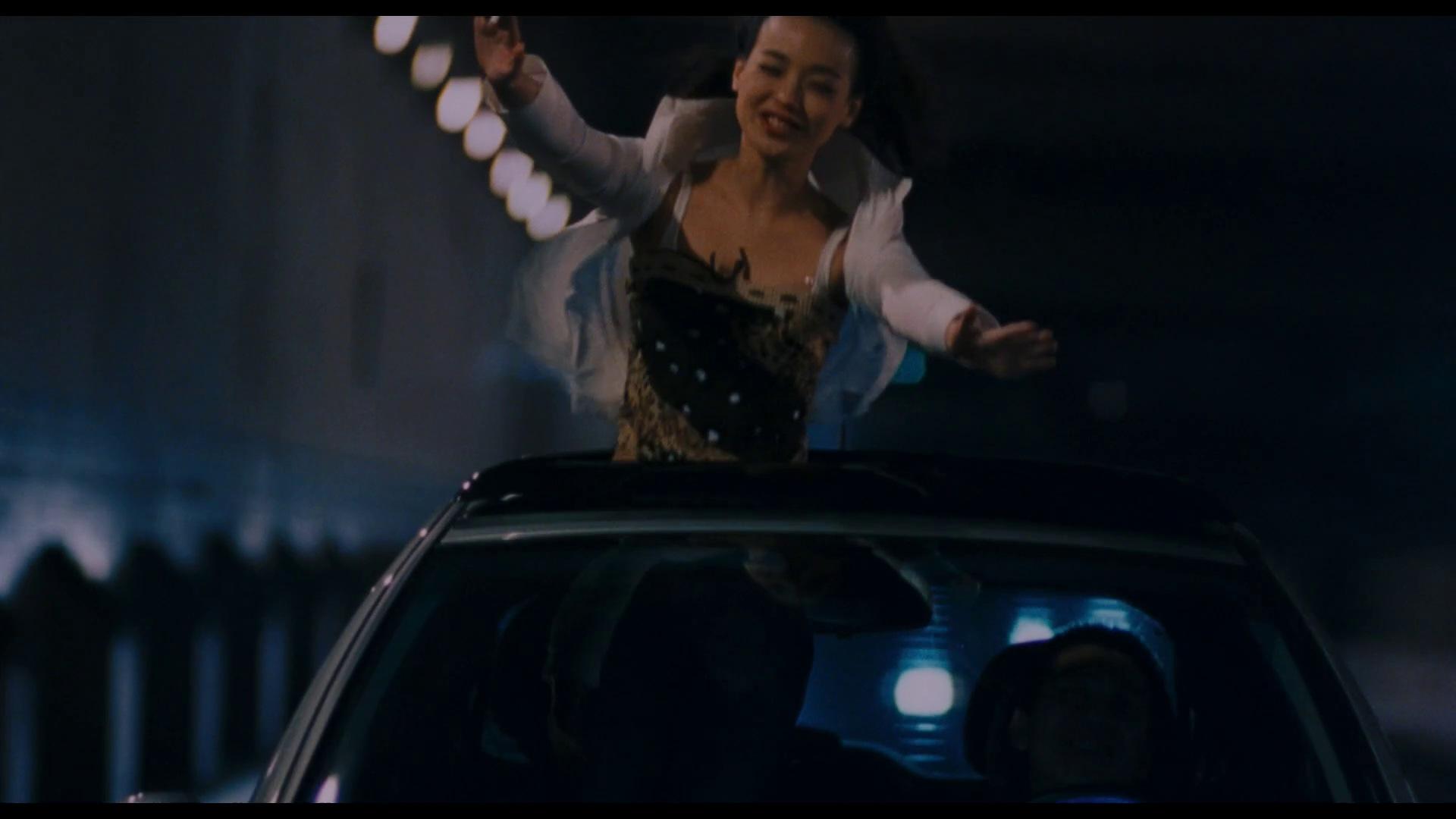
Caught at the turn of the century, in a period of malaise and identity in crisis, director Hou responds with Millenium Mambo. Through a series of episodes that are loosely tied together––albeit not chronologically––Vicky negotiates adult life in a scene of partying and dating. Finding love is not the goal of this supposed romance-drama; it is finding oneself. Millenium Mambo is generically similar to Coppola’s Lost in Translation in its capturing of loneliness in the collective experience, but the film’s technique and style furthers it far beyond her feature. Most important to this film is Hou’s signature long-take style. Scenes are extended to experience a sequence in one whole take: as the camera spins about the room, we see the characters move through whirlwinds of emotion or contemplatively sit in a hallway to allow a cross-bedroom argument to take place. These images are elevated through a kaleidoscopic use of colour that entangles the whole light spectrum into a feast for the eyes, and an electronic soundtrack which beats to a twenty-first century hopefulness. A sequence of Vicky standing out of a car, wind through her hair, as Hou undercranks the frame rate to blur the blue of car headlights with orange streetlights’ shimmers––to Lim Giong’s song A Pure Person––captures the feeling of freedom and trepidation in adulthood that characterises the film as a whole. Millenium Mambo pushes us through a series of emotions, from anxiety to joy, to leave us ultimately fulfilled by carving out a space for creativity and identity in the claustrophobic modern world.
[its] kaleidoscopic use of colour … entangles the whole light spectrum into a feast for the eyes, and electronic soundtrack … beats to a twenty-first century hopefulness.
You may also like

Retrospective: A look-back on The hunger games’ 10 year legacy
Last month marked the 10th anniversary of The Hunger Games gracing our cinema screens, and its impac
Linda Linda linda (Asian Cinema Collective & the Sydney Opera House) at Vivid LIVE
Charlotte Macdonald reflects … A bottle of sweet and innocent syrup––being with your frien

Longlegs: deep chills, shallow cinema
Satan was name-dropped a couple of too many times and, frankly, Satanism is just not that scary anym
Post a comment