
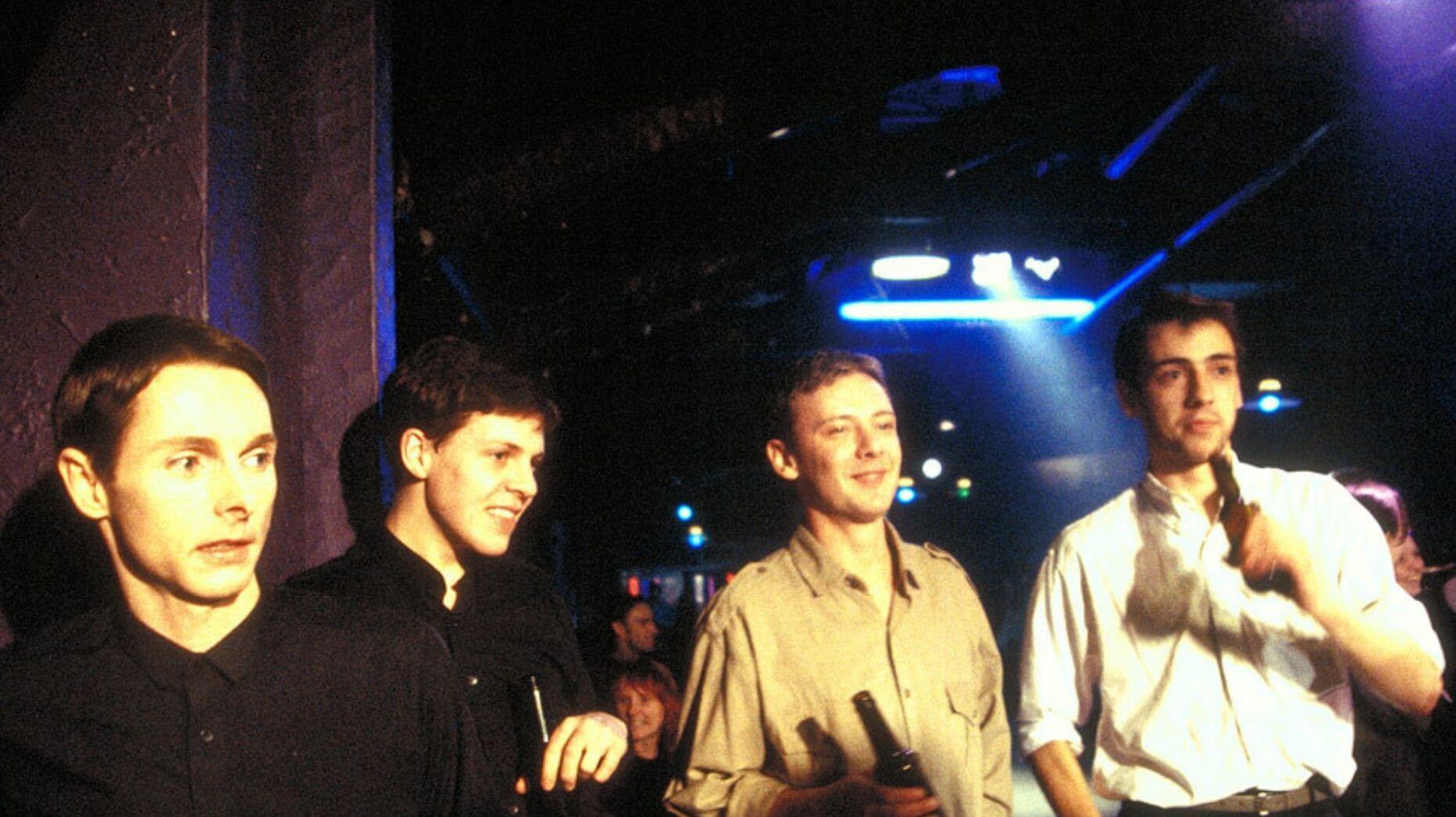
The birth of Christ or the birth of Unknown Pleasures?
Felicity Errington reviews 24 Hour Party People …
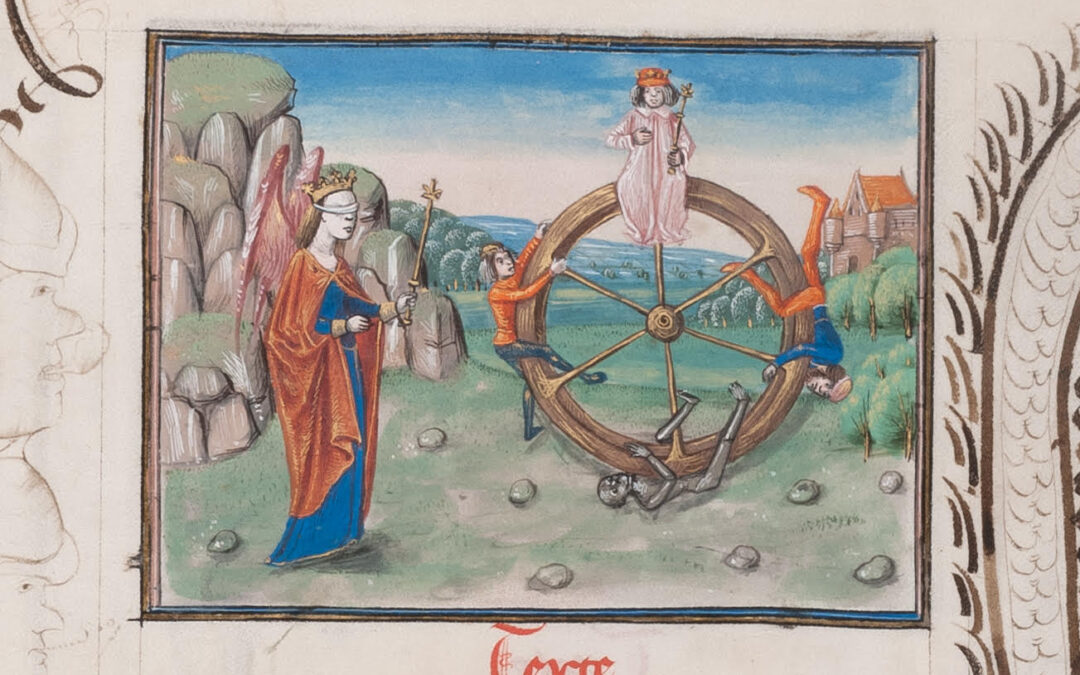
When I am alone, either on the bus to uni or just before bed, I think of a scene from 24 Hour Party People: Tony Wilson (Steve Coogan) walks through a shadowed alleyway and is heckled by a homeless Mancunian (Christopher Eccleston) who monologues Boethius. The man declares to Wilson, “It’s my belief that history is a wheel. ‘Inconstancy is my very essence,’ says the wheel. ‘Rise up on my spokes if you like, but don’t complain when you’re cast back down into the depths. Good times pass away, but then so do the bad.’” As Wilson walks away, he replies, “I know…I know.” In my mind, I join Wilson on the Rota Fortunae as we confront the fact––with Joy Division’s ‘Atmosphere’ playing––that life is impassively cyclical.
On May 31st, that scene transforms from my lonely thoughts onto the silver screen of the Playhouse Theatre within the Sydney Opera House. Slightly buzzed after watching a Swans win at the SCG, I join an audience of acid house loyalists to watch 24 Hour Party People (2002). Directed by Michael Winterbottom and written by Frank Cottrell Boyce, this quasi-documentary maps the frantic arc of Manchester’s music scene, from punk rocking in 1976 to the Madchester days of 1992. Tony Wilson, a reporter for Granada and head of Factory Records, essentially functions as the film’s Virgil, leading us through the circles of bands: Sex Pistols, Joy Division, New Order, and the Happy Mondays.
Tony Wilson, a reporter for Granada and head of Factory Records, essentially functions as the film’s Virgil, leading us through the circles of [the] Sex Pistols, Joy Division, New Order, and the Happy Mondays.
Wilson is a pantomime of a man whom Coogan embodies so well. Coogan’s own character, Alan Partridge, seeps through his portrayal, but it works; who else was Wilson, as an entertainer and record executive, but so sickly self-confident that you kind of had to admire him? Tony Wilson, inside and outside of 24 Hour Party People, is a bizarre idol of mine. I respect his unorthodox and unhinged approach to music management (such as writing his record contract in blood: “The musicians own everything, the company owns nothing. All our bands have the freedom to fuck off.”). Wilson is no myth or legend; he was a creator of actionable greatness.
The birth of Christ or the birth of Unknown Pleasures? Winterbottom posits us immediately next to Wilson, the air smoky with creativity and lilting cigarettes. Martin Hannett (Andy Serkis) swaddles a bottle of whiskey and shouts at the nervous drummer of Joy Division, Stephen Morris (Tim Horrocks), to play his parts “faster but slower” and make it “more yellow”. Hannent’s forceful synesthesia compounds in Morris having to sit on the studio roof and repeatedly play the beat of ‘She’s Lost Control’ till it’s perfect. Out of all the scenes in 24 Hour Party People, this interaction most completely captures the film’s ethos: that music, and the scene surrounding it, is a marriage of wry humour and havoc which escapes through chaotic creativity and often untimely tragedy.
Winterbottom, much like the Mancunian Boethius, treats time as a wheel, not as some offhand tool. Each moment of tragedy and triumph is given enough space to sit comfortably within the grain of Manchester’s skyline.
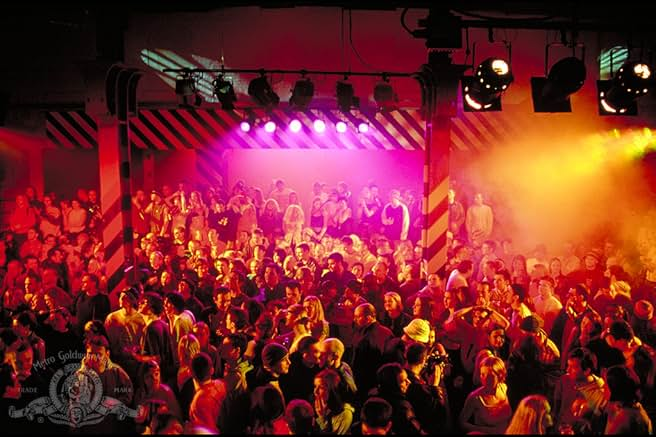
The legacy of not only Madchester, but also 24 Hour Party People, serves as a particularly poignant reminder, in the era of Reform, of what the UK should be and what it can be. This is no ‘bring me back’ or ‘life was better then’ statement because, firstly, that would be cliché … and secondly, the majority of these bands were founded and found success during Thatcherism. The looming difference between them and us is that we have phones where hate is concentrated, and hope is diluted––even at local gigs. I hope that some semblance of community nurtured in the cultural melting pot of ‘80s Manchester can be seen again. The recreation of the Hacienda in 24 Hour Party People exhibits what it means to rid the inherent self-consciousness of being a human and find peace and comfort in the music.
The recreation of the Haçienda in 24 Hour Party People exhibits what it means to rid the inherent self-consciousness of being a human and find peace and comfort in the music.
You may also like
Erika de Casier with the Sydney Symphony Orchestra, live at the Sydney Opera House
Ynes Fernandez reviews … After coming here a handful of times before in seedier, smaller venue

FILM REVIEW: The Guilty, a high-concept Danish thriller told over the phone
The Guilty never sets foot outside of the police call cent

Film Review: Tenet
After a relentless press campaign and being delayed three times, Christopher Nolan’s n
Post a comment